
Clean, Controlled Motion for Washdown Applications
Hygienic actuator support for food, beverage, pharmaceutical, packaging, and other demanding washdown environments.
Tolomatic hygienic stainless steel actuators are designed for applications where cleanability, corrosion resistance, repeatable electric motion, and washdown durability matter. Scott Equipment Company helps customers review the full application before selecting a stainless steel, food-grade, or washdown-ready actuator solution.
Start With the Environment
Review the washdown process, cleaning exposure, motion requirement, controls, cabling, and machine design before choosing a hygienic actuator.
Why Hygienic Actuator Design Matters
Washdown environments are hard on automation components. Actuators may be exposed to water, cleaning chemicals, high-pressure spray, temperature changes, food particles, moisture, and corrosion.
A standard industrial actuator may not be the right fit for these conditions. Hygienic actuator selection should consider cleanability, sealing, material selection, cable routing, mounting hardware, sensors, and the full cleaning process.
Scott Equipment’s Role
Scott Equipment Company helps customers review the washdown environment, motion requirement, existing actuator, controls, and related components before selecting a Tolomatic hygienic actuator.
Our team can help coordinate Tolomatic resources and support the surrounding automation components that make the complete washdown solution work.
Washdown Resistance
Hygienic actuator applications often involve repeated cleaning cycles, water spray, cleaning chemicals, and wet production areas.
Corrosion Resistance
Stainless steel construction can help support long-term operation in areas where moisture, chemicals, and sanitation procedures are part of normal production.
Cleanable Design
Smooth surfaces, fewer crevices, and reduced exposed hardware can help support machine cleaning procedures and reduce harborage points.
Repeatable Electric Motion
Electric actuators can provide controlled force, position, speed, and repeatability for filling, pressing, cutting, capping, and packaging operations.
The Actuator Is Only One Part of the Hygienic System
Cables, sensors, connectors, mounting hardware, brackets, guarding, controls, and cleaning access all affect the final installation. Scott Equipment Company can help review the complete washdown motion application.
Why Consider Electric Actuation in Washdown Areas?
Pneumatic and hydraulic systems are common in food and beverage equipment, but they can create challenges in sanitary areas. Hydraulic systems can introduce fluid leak concerns. Pneumatic systems can create air quality, moisture, control, and compressed air efficiency issues.
Electric actuation may help when the application needs cleaner operation, better motion control, repeatable positioning, reduced fluid-power maintenance, or more feedback from the machine.
Application Review First
Electric actuation is not automatically the right answer for every washdown machine. Force, speed, stroke, duty cycle, cleaning method, controls, and budget should all be reviewed.
Scott Equipment can help compare electric, pneumatic, and hydraulic options before the final product family is selected.
Cleaner Operation
Electric actuators remove hydraulic fluid from the motion axis and can reduce concerns around leaks in sensitive production areas.
More Motion Control
Servo-electric motion can control position, speed, acceleration, deceleration, and force in a way that simple pneumatic motion cannot.
Reduced Air Demand
Replacing a pneumatic axis with electric motion may reduce compressed air demand where the application requires controlled positioning or multiple stops.
Recipe-Driven Motion
Electric actuators can support programmable positions and motion profiles for product changeovers, filling, capping, cutting, and packaging.
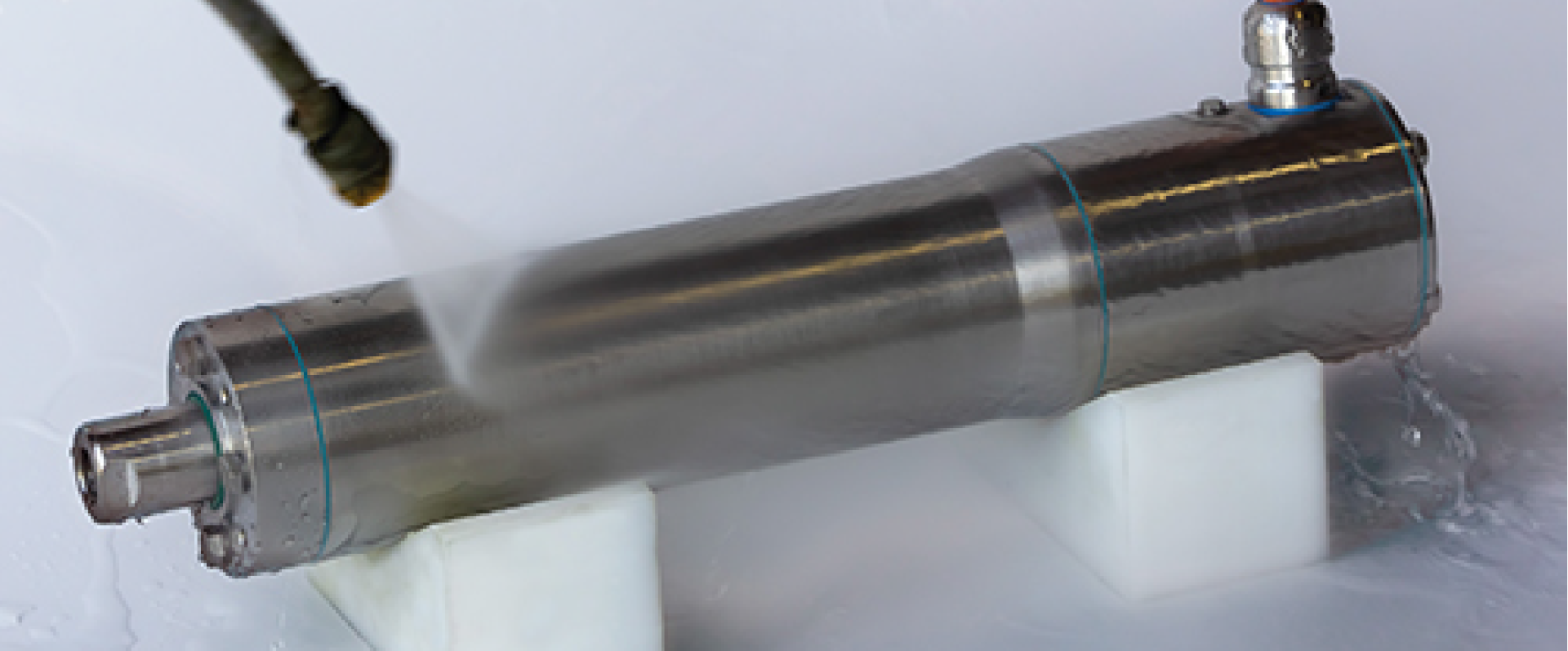
Hygienic, Stainless Steel, and Food-Grade Actuator Options
Tolomatic offers several actuator options for hygienic and washdown environments. The right product family depends on force, stroke, speed, duty cycle, controls, space, and sanitation requirements.
Scott Equipment Company can help review the application and determine whether a stainless steel, integrated servo, compact washdown, or food-grade actuator should be considered.
Select by Requirement
Force rating is only one part of the review. Machine zone, cleaning method, chemical exposure, control platform, cable routing, and mounting design also matter.
When needed, Scott Equipment can coordinate Tolomatic support for the sizing and product-selection process.
RSH Hygienic Electric Actuators
RSH rod-style electric actuators are designed for demanding washdown applications. They use 316 stainless steel construction and an IP69K rating for food, beverage, pharmaceutical, and sanitary equipment.
They may be considered for pressing, pumping, cutting, slicing, filling, capping, and high-force washdown motion.
IMA-S Hygienic Integrated Servo Actuators
IMA-S actuators combine a hygienic electric rod actuator and servo motor into one compact stainless steel package.
They may be a good fit when the machine needs integrated servo motion, washdown resistance, repeatability, and a compact actuator design.
ERD-SS2 Stainless Steel Electric Actuators
ERD-SS2 actuators are stainless steel electric actuators with a protective motor enclosure for washdown applications.
They can be a good option for lower-force washdown motion, pneumatic replacement, product changeover, and compact machine automation.
IMA Food Grade Servo Actuators
IMA Food Grade actuators use an integrated motor and actuator design with a food-grade coating for washdown applications.
They may be considered when a food-grade coated actuator is appropriate for the machine zone and cleaning process.
Common Product Review Factors
Start With the Washdown Requirement, Then Select the Actuator Family
The right Tolomatic hygienic actuator depends on more than force and stroke. The cleaning process, sanitation expectations, controls, cabling, mounting, and machine environment should all be reviewed before selection.
Stainless Steel vs. Food Grade: What Is the Difference?
Not every washdown actuator is built the same way. Some applications require full stainless steel construction, while others may allow a food-grade coated actuator.
The right choice depends on the cleaning process, chemical exposure, sanitation expectations, machine zone, customer standards, and long-term maintenance plan.
Scott Equipment’s Role
Scott Equipment can help customers review the plant environment and determine which Tolomatic actuator families should be considered.
This review helps avoid over-specifying a product or selecting an actuator that may not hold up to the cleaning process.
Stainless Steel Actuators
Stainless steel actuators are often reviewed when the machine is exposed to frequent washdown, harsh chemicals, moisture, or corrosion.
They are commonly considered for demanding food, beverage, dairy, meat, and pharmaceutical environments.
Food-Grade Coated Actuators
Food-grade coated actuators can support washdown applications where full stainless steel construction is not required but added protection is still needed.
They may be appropriate for specific machine zones, packaging equipment, and applications with moderate washdown exposure.
Common Applications for Tolomatic Hygienic Actuators
Tolomatic hygienic actuators are used in applications where cleanability, controlled motion, and durability are important.
The strongest fit is often found where the machine needs repeatable electric motion in a wet, sanitary, or corrosive environment.
Backed by a Team Approach
Your local Scott Equipment Account Manager can help identify the application and coordinate support from our Technical Team and Tolomatic resources.
That team approach helps connect the actuator to the machine frame, controls, cabling, safety devices, and related automation components.
Food Processing
Support cutting, slicing, pressing, filling, pumping, portioning, sorting, and product-transfer applications exposed to washdown.
Beverage Production
Support bottling, capping, filling, labeling support, packaging, product handling, and conveyor support in wet production areas.
Dairy Processing
Support filling, portioning, transfer, packaging, cutting, and pumping support where frequent cleaning and moisture exposure are expected.
Meat and Poultry
Review cutting, slicing, pressing, portioning, packaging, and product handling applications where sanitation and corrosion resistance are important.
Pharmaceutical Manufacturing
Support dispensing, packaging, assembly, inspection support, product handling, and controlled positioning in clean production environments.
Medical and Life Science
Support sample handling, automated dispensing, diagnostic equipment, inspection systems, and laboratory automation.
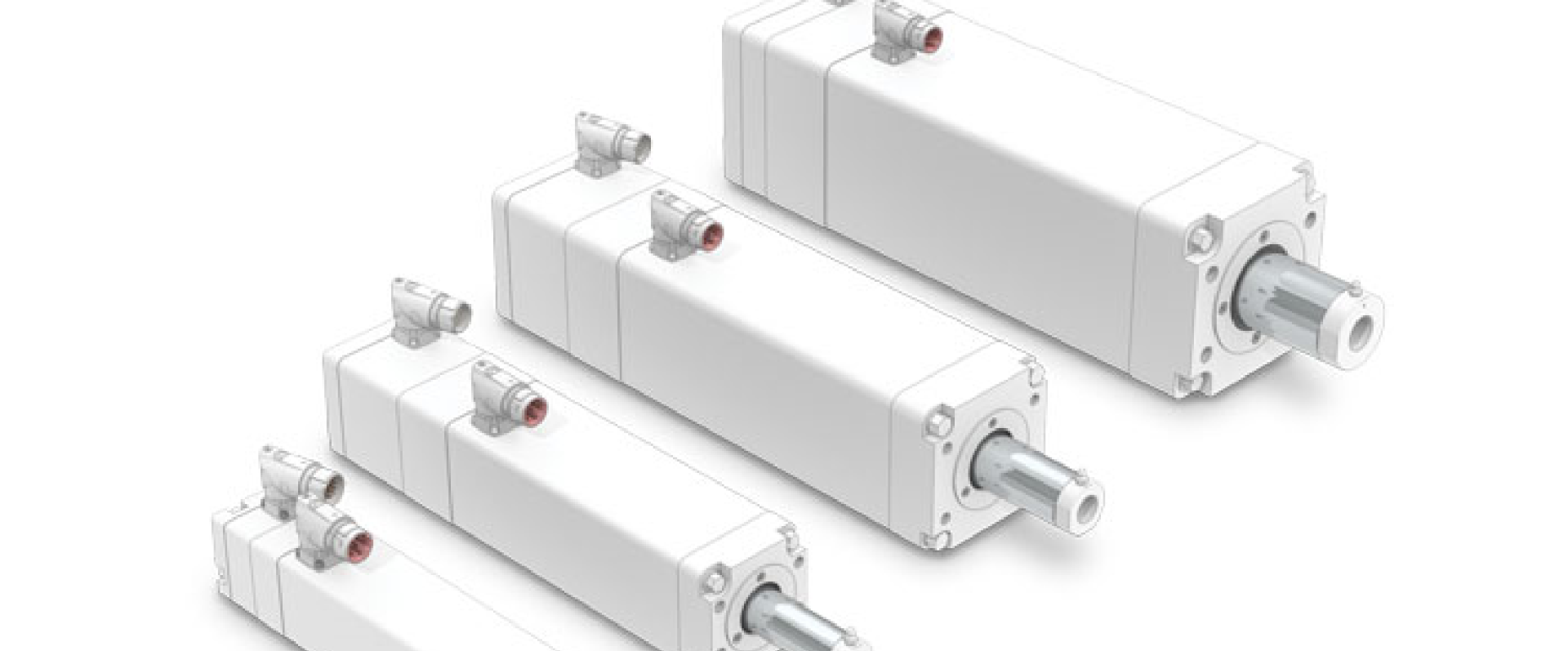
Electric vs. Pneumatic and Hydraulic Motion in Washdown Areas
Electric, pneumatic, and hydraulic actuators each have a place in industrial automation. The best option depends on the motion requirement, operating environment, controls, force, speed, and maintenance goals.
Scott Equipment Company can help compare the options before assuming a washdown application should stay pneumatic, remain hydraulic, or move to electric actuation.
Related Conversion Support
For applications being reviewed for cleaner electric motion, Scott Equipment can help evaluate hydraulic and pneumatic replacement opportunities.
Learn more on our hydraulic to electric actuator conversion page.
Electric Hygienic Actuators
Often best when the application needs controlled motion, repeatable position, clean operation, reduced leak concerns, and better process feedback.
Pneumatic Actuators
Often used for simple, fast, lower-force motion. They can be cost-effective, but compressed air systems may create energy, moisture, and control concerns.
Hydraulic Actuators
Often used for very high force. However, hydraulic fluid leaks can be a concern in food, beverage, pharmaceutical, and sanitary environments.
Information Needed to Select a Hygienic Actuator
The best actuator selection starts with a complete application review. If you do not have every detail, Scott Equipment can help identify what is needed next.
Photos, drawings, current part numbers, and a short description of the machine are often enough to begin the discussion.
Send Us What You Have
Have a current cylinder, actuator, machine drawing, or photo? Send it to Scott Equipment and our team can help determine the next questions.
The goal is to understand the full motion and washdown requirement before selecting a product.
Controls, Cabling, and Supporting Components Matter
A hygienic actuator project should not stop at the actuator. The complete installation may require washdown-rated cables, proper cable routing, sensors, stainless mounting hardware, brackets, controls, and safety devices.
Scott Equipment Company can help review the full motion system so the selected actuator works with the larger machine.
Complete System Review
The actuator, motor, drive, feedback, control system, cabling, and mounting hardware all need to work together.
Our team can help identify related components before the machine is built, modified, or upgraded.
Washdown-Rated Cables
Cable selection and routing should match the washdown environment and machine movement.
Mounting Hardware
Stainless hardware, brackets, and adapter plates may be needed to support the actuator and cleaning process.
Sensors and Switches
Position sensing, feedback, and related components should be selected for the operating environment.
Safety and Guarding
Machine safety, guarding, access, and validation should be reviewed by qualified safety professionals when the actuator affects operator interaction.
Tools That Help With Hygienic Actuator Selection
Tolomatic provides tools and resources that help engineers size, configure, and integrate electric actuators.
These tools are useful, but they work best when the application information is accurate. Scott Equipment can help gather the details and coordinate the review.
Scott Equipment’s Role
Our team can help customers use Tolomatic resources and identify the product data needed before final sizing and configuration.
This includes actuator sizing, motor and drive questions, CAD review, and integration support.
SizeIt Actuator Sizing Software
SizeIt helps evaluate actuator options based on load, speed, stroke, duty cycle, and application requirements.
CAD Models and Product Resources
CAD files, manuals, and technical documents help confirm actuator fit, mounting, and system layout.
Your Motor Here
Your Motor Here helps match compatible motors and actuator mounting options when the customer has a preferred motor or control platform.
Drive Integration Support
The actuator, motor, drive, feedback, controls, and cabling must work together. Scott Equipment can help review those details.
More Than an Actuator: Build the Complete Washdown Motion Solution
Many hygienic actuator projects require related components and installation support. Through Scott Equipment Company’s We Build It, You Install It program, our team can help review whether the actuator and supporting components can be organized into a more complete solution.
This is especially helpful when the same washdown actuator package will be used across multiple machines, lines, or facilities.
Installation-Friendly Support
Not every application needs a custom assembly, but many benefit from better organization of the actuator, mounting hardware, cables, controls, and documentation.
Scott Equipment can help define the right scope for the project.
Tolomatic Hygienic Actuator
Selected around the washdown environment, motion requirement, force, stroke, and controls.
Stainless Hardware
Mounting hardware, brackets, and adapter plates may be included when the application requires them.
Cables and Connectors
Washdown-rated cables, cord grips, and routing components can be reviewed as part of the installation.
Documented Kit
A repeatable kit can simplify future installations, purchasing, maintenance, and replacement work.
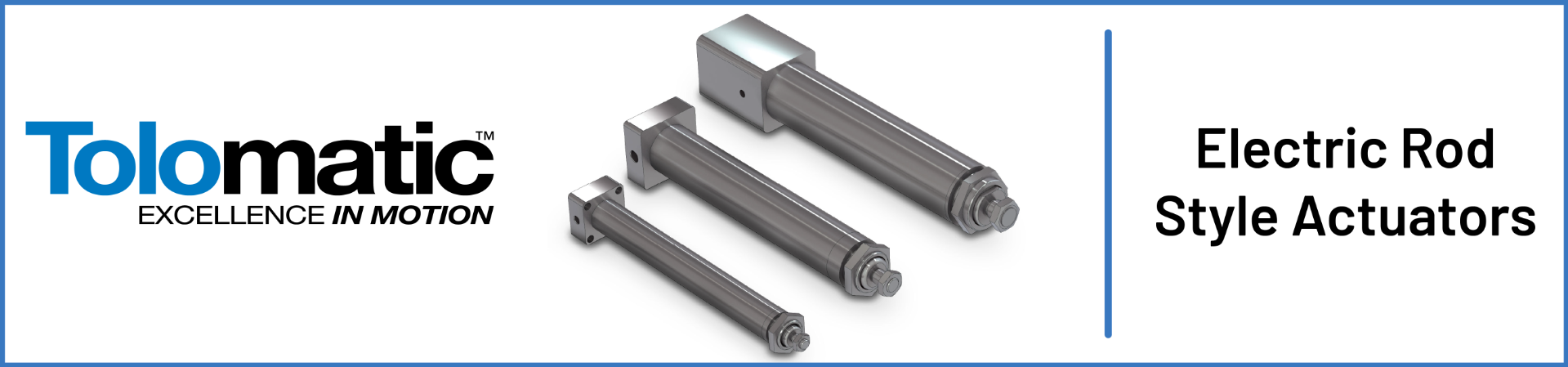
A Repeatable Washdown Package Can Reduce Installation Guesswork
When the same actuator solution is used across multiple machines, Scott Equipment can help organize the product, accessories, and documentation into a more repeatable installation package.
Backed by a Team Approach
Scott Equipment Company supports Tolomatic applications with a team-based approach. Your local Account Manager can help identify the opportunity, gather application details, and coordinate next steps.
Our Technical Team can help review product selection, sizing questions, related automation components, and vendor resources when needed.
Local Support Across the Carolinas
Scott Equipment Company supports manufacturers, OEMs, maintenance teams, engineers, and machine builders throughout North and South Carolina.
Customers can start with their local Account Manager and bring our technical resources into the discussion when needed.
Application Review
Gather washdown, motion, load, stroke, speed, controls, and machine layout information.
Product Selection Support
Compare RSH, IMA-S, ERD-SS2, IMA Food Grade, and related Tolomatic options.
Controls and Cabling Review
Review the actuator, motor, drive, feedback, cable routing, and controls platform.
Value-Added Assembly
Review whether the actuator and supporting components can be organized into a repeatable kit or assembly.
Common Questions About Tolomatic Hygienic Stainless Steel Actuators
The answers below provide a practical starting point. Final selection should be based on the actual washdown process, motion requirement, machine layout, controls, and operating environment.
What is a hygienic stainless steel actuator?
It is an actuator designed for washdown and sanitary environments where cleanability, corrosion resistance, and reduced contamination points are important.
When should I consider stainless steel instead of a standard actuator?
Review stainless steel when the machine is exposed to frequent washdown, moisture, cleaning chemicals, food product, corrosion, or sanitary production requirements.
What does IP69K mean?
IP69K is an ingress protection rating for equipment designed to withstand high-pressure and high-temperature washdown. It is often important in food, beverage, and sanitary equipment applications.
What is the difference between RSH and IMA-S actuators?
RSH actuators are hygienic electric rod-style actuators for higher-force washdown applications. IMA-S actuators combine a hygienic electric actuator and integrated servo motor into one compact stainless steel package.
Can hygienic electric actuators replace pneumatic cylinders?
In some applications, yes. They may be a good fit when the machine needs better motion control, multiple positions, reduced compressed air demand, or improved repeatability.
Can hygienic electric actuators replace hydraulic cylinders?
In some applications, yes. Electric actuators may be a strong option when the goal is to reduce hydraulic fluid concerns, improve control, or support cleaner machine operation.
What information is needed to size a hygienic actuator?
Helpful information includes force, stroke, speed, duty cycle, mounting orientation, cleaning method, chemical exposure, temperature, available space, controls, and any existing actuator or cylinder information.
Can Scott Equipment help with the complete washdown installation?
Yes. Depending on the application, Scott Equipment can help review mounting hardware, washdown-rated cabling, sensors, safety devices, control panels, and repeatable kits through We Build It, You Install It.
Still Not Sure Where to Start?
Send Scott Equipment Company the current actuator or cylinder information, application description, photos, drawings, or available machine details. Our team can help identify the next details needed for review.
Let’s Review Your Washdown Motion Application
Tolomatic hygienic stainless steel actuators can help support clean, precise, and reliable motion in demanding washdown environments.
Whether you are replacing a pneumatic cylinder, reviewing hydraulic motion, building a new food processing machine, or upgrading a washdown packaging line, Scott Equipment Company can help evaluate the application and work with Tolomatic to identify the right solution.
Scott Equipment Company provides trusted automation solutions and application support for manufacturers throughout North and South Carolina.
Trusted Automation Solutions for the Carolinas Since 1977.