
Conveyor Systems - What you need to know.
Introduction
In the bustling world of modern industry, the unsung heroes are often the machines working tirelessly behind the scenes. One such integral machine is the conveyor system. This article delves deep into understanding these mechanical wonders, providing insights into their varied types and uses.
What is a Conveyor System?
At its core, a conveyor system is a mechanism designed to transport materials or goods from one location to another, often over short to medium distances. Comprising a series of belts, rollers, chains, or other components, these systems simplify processes, reduce manual labor, and increase efficiency in countless industries.
What is the Most Common Conveyor System?
The belt conveyor reigns supreme as the most common type. Recognizable by its continuous belt loop, it is used for moving bulk materials like grains, sand, or coal. The popularity of belt conveyors lies in their simplicity, efficiency, and versatility in handling diverse materials, making them a staple in sectors from mining to food processing.
 Understanding the Typical Conveyor System
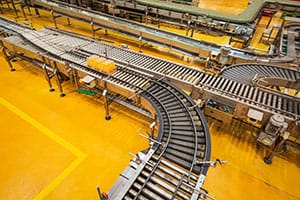
A "typical" conveyor system consists of a driving motor, conveyor medium (like a belt or chain), and support structures such as frames and guide rails. Their primary function is straightforward: move items from Point A to Point B efficiently. Maintenance primarily involves regular checks on wear and tear, ensuring the conveyor medium is free of obstructions, and periodic motor servicing.
Different Types of Conveyor Systems
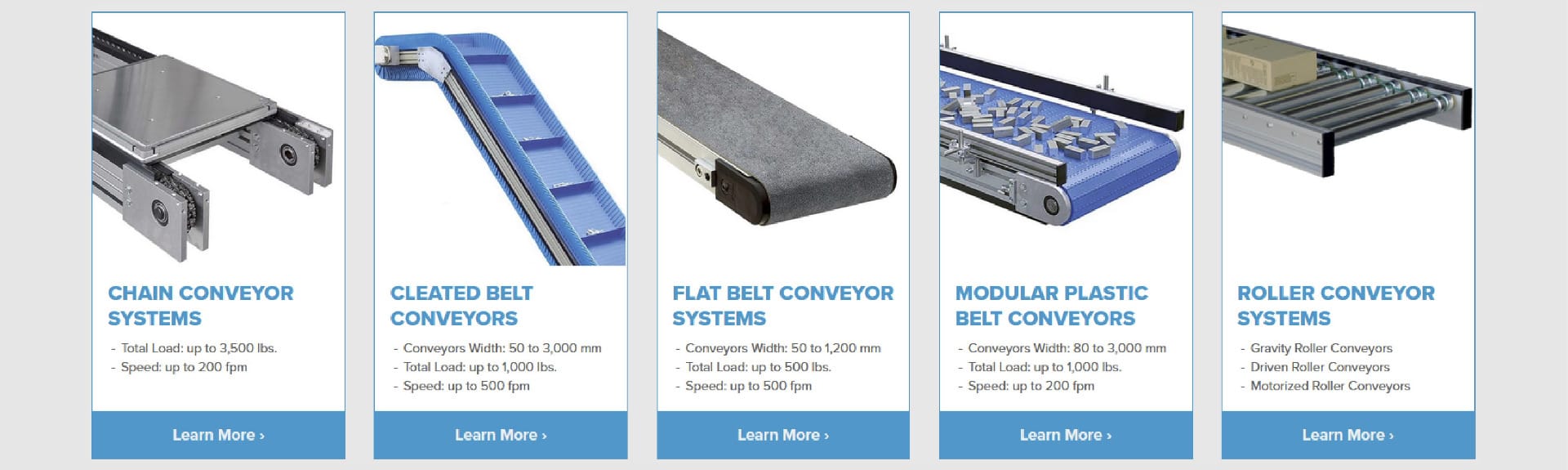
- Belt Conveyors: Used because of their adaptability. They can transport a variety of goods, from tiny microchips to large boulders.
- Roller Conveyors: Best suited for flat-bottomed items, roller conveyors are used in warehouses and distribution centers, aiding in package handling.
- Chain Conveyors: Comprising one or more chains, they are ideal for heavy or hot materials and are often used in automotive and foundry applications.
- Overhead Conveyors: As the name suggests, these are suspended from ceilings and used for applications like paint finishing or material handling in large manufacturing units.
- Pneumatic Conveyors: Using air pressure or vacuum to transport bulk materials in a closed tube, they are perfect for situations where contamination is a concern, such as in the food or pharmaceutical industries.
And while these are just the tip of the conveyor iceberg, each system serves a unique purpose, tailored to specific industrial needs.
Conclusion
In the vast and varied world of conveyors, understanding the nuances of different systems can significantly impact operational efficiency. As technology continues to evolve, so will conveyor systems, underlining the importance of staying updated on the latest innovations in this mechanical realm.