
Case Study · Scott Equipment Company + ABB Robotics
ABB Robotic Welding for Marine Aluminum Fabrication
Scott Equipment Company helped a marine fabrication team move from evaluating robotic welding to implementing an ABB solution.
 Application support for manufacturers in North and South Carolina
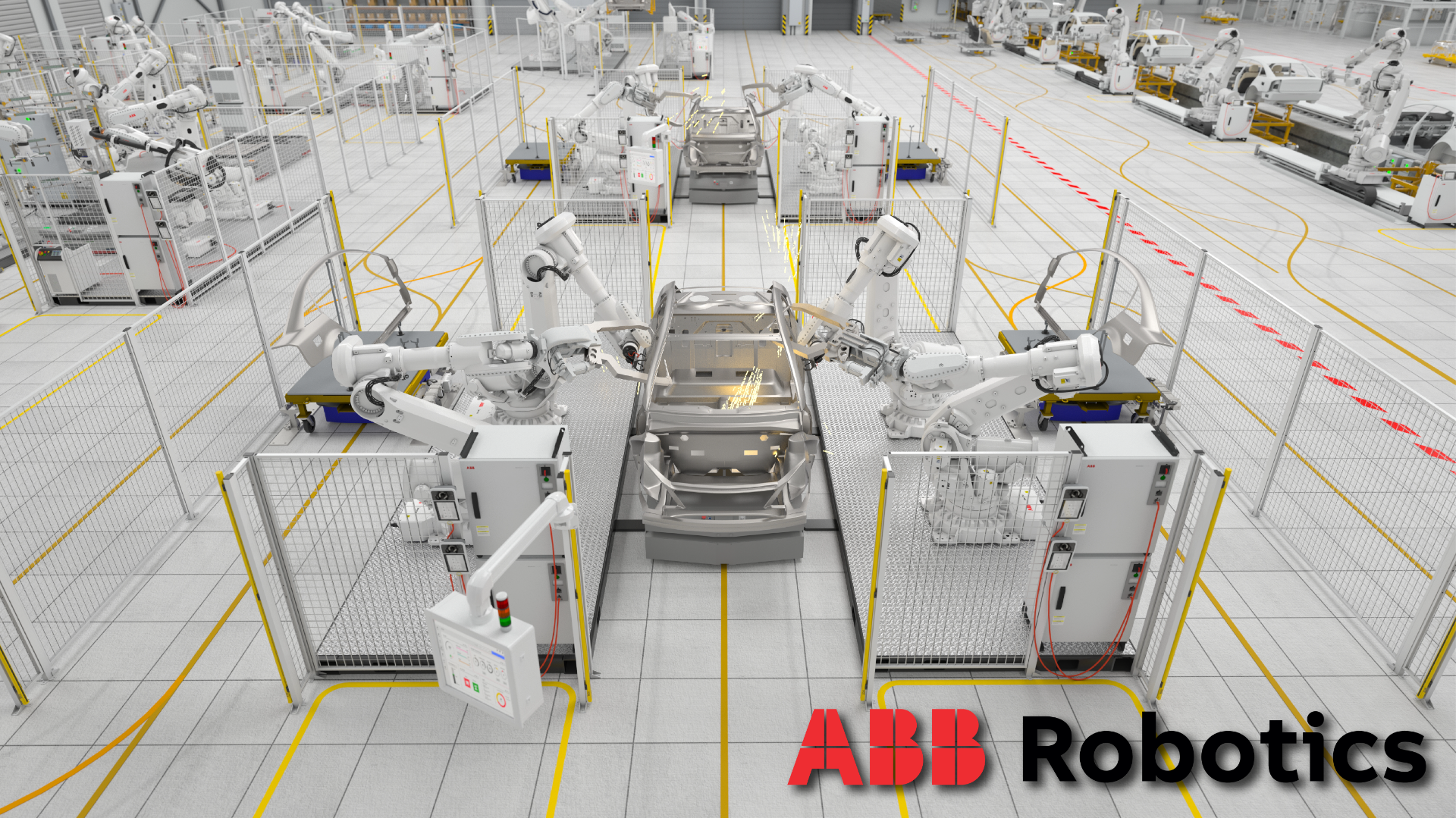
For a fabrication and machine shop serving the marine industry, the opportunity to automate starts with familiar work: aluminum components, angle assemblies, and welds that experienced employees perform every day. The question is how a robot could fit those tasks—and how the people responsible for welding would learn to use it.
Scott Equipment Company Account Manager Will Henderson helped bring that conversation into focus by connecting the customer with ABB robotics specialists for an interactive welding demonstration. The session gave the customer an opportunity to see programming methods, discuss actual parts, and explore equipment requirements.
That collaborative evaluation led to the customer’s first ABB robot order and the deployment of a robotic welding solution for its marine fabrication operation.
Starting with the Application
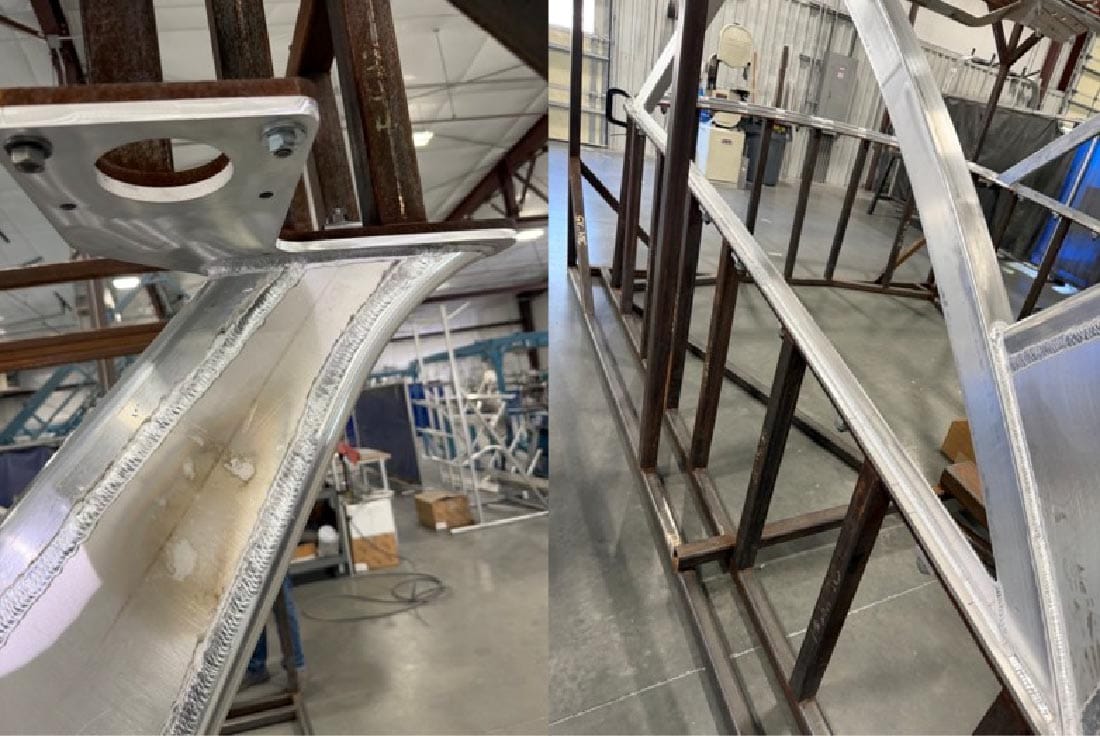
During the discussion, the customer identified several potential applications within its marine fabrication work. These included MIG welding aluminum approximately ⅜ to ½ inch thick, with some parts reaching roughly six feet in length.
One particularly relevant example involved angle components requiring three weld passes. When an angle bracket appeared in the demonstration, the customer recognized a connection to its own work and explained how those parts were currently welded.
That exchange helped turn a general introduction into a more specific application discussion. Robot reach, torch access, part positioning, and welding procedures could now be considered in the context of recognizable production tasks.
A central question was whether the customer’s welders could become comfortable setting up robot programs.
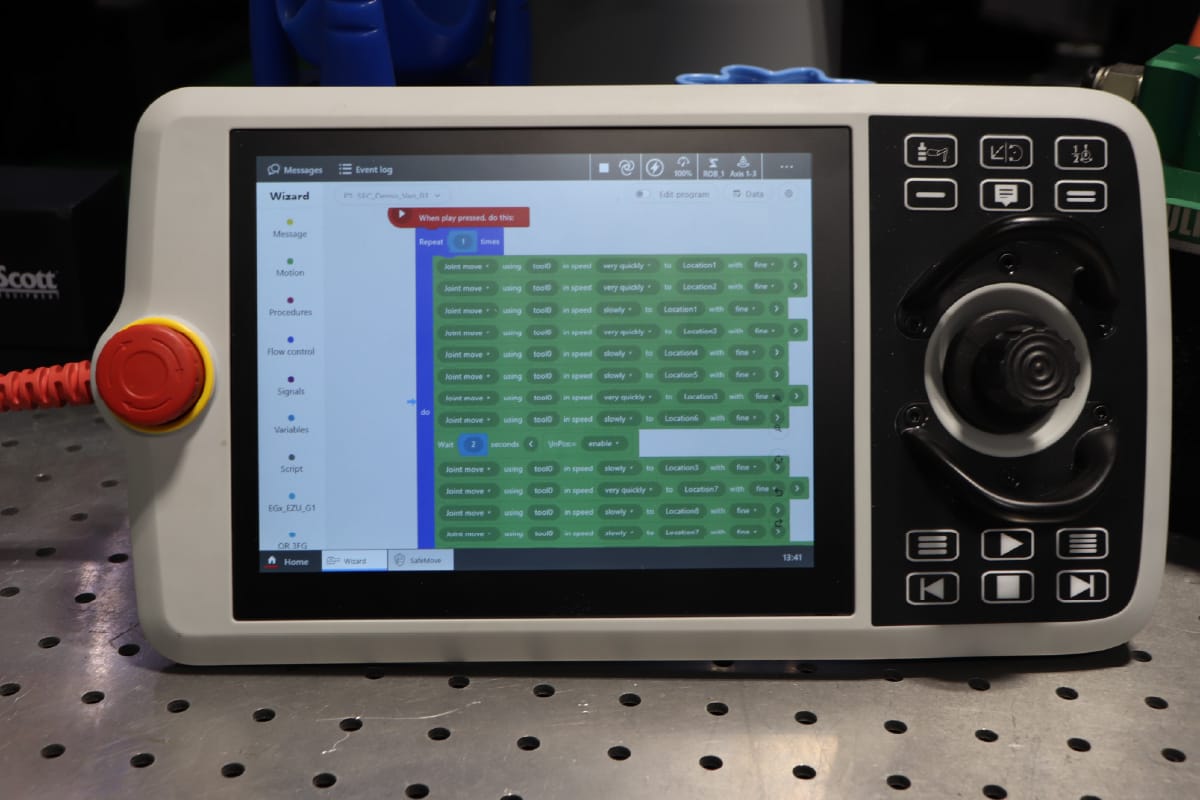
ABB demonstrated programming through its Wizard interface, showing how movement and welding instructions could be arranged as blocks. The demonstration included creating paths, saving programs, recalling previously created routines, and stepping through a sequence before running it.
The presenter also showed how to adjust a programmed position. After moving the robot to an existing point, he repositioned it and updated the location—an example of how an operator could refine where a weld begins.
The discussion emphasized the value of existing welding knowledge. Experienced welders already understand torch angles and process adjustments. The demonstration illustrated how robot programming could build on that expertise, with welding parameters stored as jobs at the power source and selected within the robot program.
The customer’s three-pass welding process prompted a discussion of ABB’s optional multipass software. ABB explained how an initial programmed pass could serve as the basis for additional passes using offsets and angle adjustments. Although that option was not demonstrated, it identified a capability worth evaluating against the customer’s parts.
Aluminum welding introduced additional considerations. ABB discussed how wire-feed arrangements and torch equipment could affect the payload and mounting requirements, making robot selection about more than reach alone.
The customer also asked about using an existing spare OTC welder. Rather than assuming compatibility, the team identified the need to review the model and its suitability for robotic integration. Equipment details, photographs, and drawings would help establish what could be incorporated into the proposed system.
Considering the Complete Setup
The discussion extended beyond the robot arm to how parts would be presented and held.
ABB described possible arrangements involving tables, pedestals, and repeatable locating positions. Consistent part placement would be an important consideration when recalling programs for recurring work.
For a more detailed evaluation, ABB offered to use customer CAD models in RobotStudio to explore the robot and part arrangement. This would provide another way to assess access and reach before finalizing a configuration.
Scott Equipment’s Demo Van and an on-site robot visit were also discussed as opportunities for hands-on familiarization.
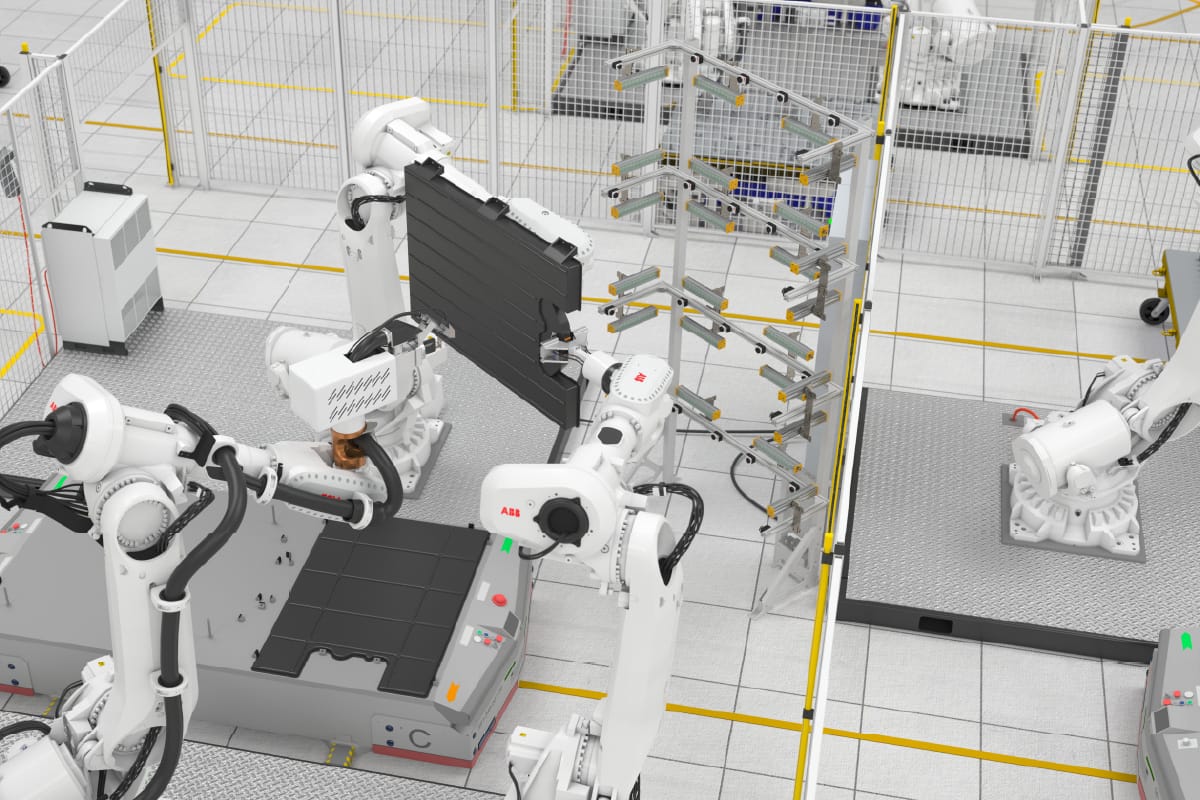
The customer wanted to understand whether the robot could remain useful if a particular welding job ended or demand changed.
That question opened a discussion about material handling and machine tending. ABB showed a quick-change tooling arrangement and discussed the additional tooling, software, and integration that other tasks could require.
For a shop performing both fabrication and machining, these possibilities added another consideration to the investment decision: how the robot might support future applications as needs evolve.
From Evaluation to Implementation
The customer moved forward with its first ABB robot and implemented the welding solution. The project gave the fabrication team a practical starting point for robotic welding, supported by the application discussions and technical resources brought together during the evaluation.
The project demonstrates Scott Equipment Company’s role in helping customers evaluate automation: identifying an opportunity, connecting the right technical resources, and keeping the discussion grounded in actual parts and processes.
For manufacturers considering robotic welding, that process creates a practical starting point—one built around their people, their equipment, and the work they need to accomplish.
Local Robotics Application Support
Could Robotic Welding Fit Your Application?
Share your part drawings, welding requirements, and production goals. Scott Equipment Company can help you explore ABB robotics and coordinate the technical resources needed to evaluate your application.